




The National Cultural Foundation
West Terrace,
St. James, Barbados
246-417-6610
Before Lystra, the young girl at the heart of “Ballast”, stepped onto the page, she lived in a twelve-year-old Roseann Pile who once watched the Barbados Landship and longed to dance with them. This year, that childhood longing found its way into NIFCA, earning Roseann one of the most celebrated debuts of the festival.
It was the first time she had ever shared her creative work in a formal competition. She waited until the final day of submissions, hovering between fear and hope, and only pressed “send” because she had made a promise. What followed was more than affirmation. “Ballast” earned NIFCA Gold, the Prime Minister’s Award for Best Original Entry and the NIFCA Prize for Intangible Cultural Heritage. For a writer who had spent decades telling other people’s stories, the recognition felt both unexpected and deeply personal.
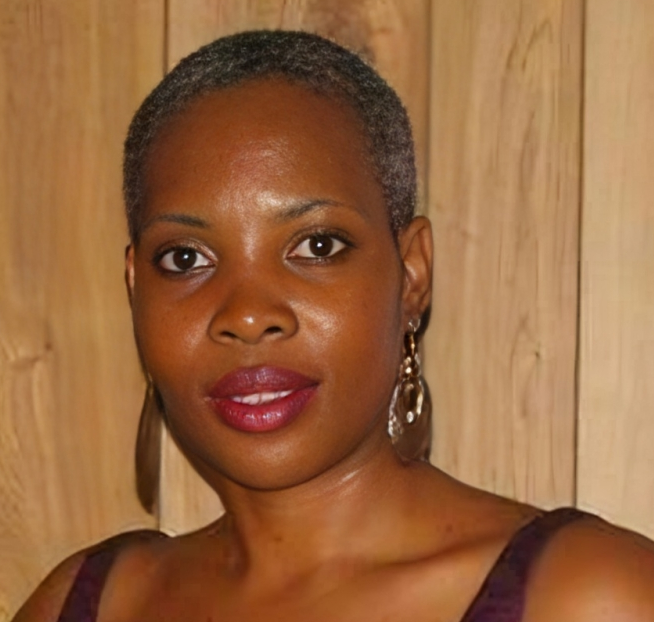
Meet Roseann Pile
She had watched the Barbados Landship perform for the first time, their uniforms crisp, their movements sharp, their presence commanding. On stage was a girl her age, dancing with confidence. In Roseann’s mind, she was dancing there too. In reality, she stayed seated.
She remembers feeling too large, too visible, too open to commentary. “I felt as big as a house because of comments from my peers and even adults,” she said. That early mixture of longing and self-consciousness became the emotional seed of “Ballast” and its protagonist Lystra, a young girl who wants nothing more than to join the Landship but battles her own sense of unworthiness.
What Roseann crafted was not a story about obesity. It was a story about belonging. It echoed the feelings of countless Caribbean children, especially girls, who learn early that their bodies are subject to scrutiny. “I was writing about that feeling so many Caribbean children carry quietly: that your body is disqualifying you from joy,” she explained. Through Lystra, she returned to a moment that once silenced her and rewrote it with courage.
Roseann’s literary voice is grounded in the subtleties of Caribbean life. She is not drawn to spectacle. She is drawn to the things that live in the corners of a room, in the silence between sentences, in the rituals that never make headlines. It is a sensibility sharpened by more than twenty-five years in journalism, where observation is a survival skill.
“Journalism teaches you discipline and accuracy, but fiction asks you to loosen your grip,” she said. She is used to chasing facts, verifying details and writing with precision. Fiction requires the opposite. It allows her to exaggerate a memory, slow down a moment or let a character feel too deeply. It lets her imagine without constraint.
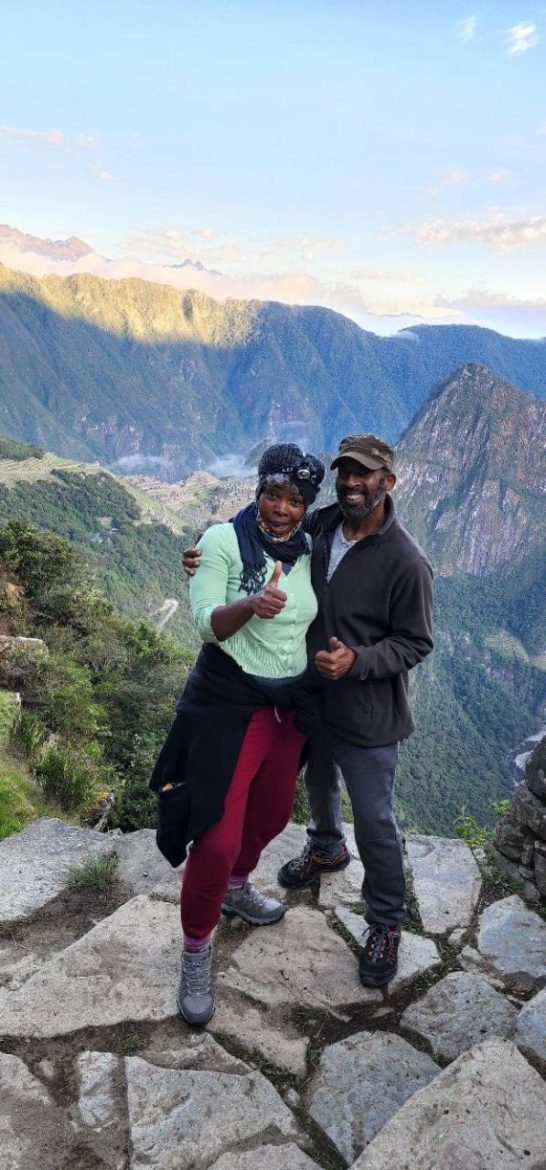
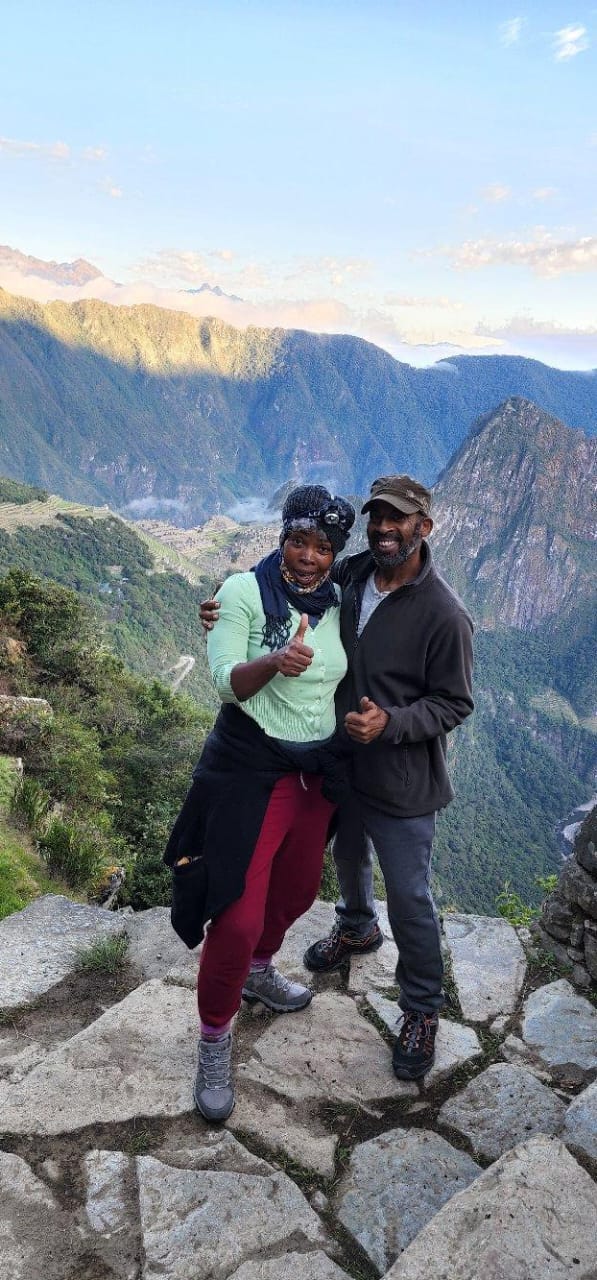
Roseann Pile and her partner reaching Machu Picchu after a 5-day hike, an experience that made it into one of her short stories.
Still, decades of listening have shaped her creative instincts. She pays attention to how people talk to elders, how mothers pack lunch boxes, how humour folds itself into hardship. These everyday gestures become stories because, in her view, they reveal who we are. “I’m not interested in the noise,” she said. “I’m interested in the truths that whisper but stay with you long after the page is turned.”
Part of Roseann’s mission as a writer is to challenge the idea that Barbados lacks cultural depth beyond revelry. She believes this misconception has taken root simply because the quieter parts of Barbadian life are undervalued. To her, the island is layered with small rituals, community care and traditional art forms that carry a depth not always recognised.
“The Barbados I know is layered, complex, tender and sometimes mystical,” she said. She is drawn to the ways older folks assess a child before they dance, the pride embedded in Landship training and the discipline behind traditions that feel almost ceremonial. These elements give the island its cultural soul. Through “Ballast”, she wanted to honour that spirit and remind readers that the stories worth telling often come from the spaces where no spotlight shines.
For Roseann, the most challenging part of releasing “Ballast” was not the writing. It was the visibility. After decades spent telling other people’s stories, she struggled to offer the same generosity to herself. Fiction demanded a new kind of vulnerability.
“I’ve spent years helping people shape their truths, but when it came time to share my creativity, I hesitated,” she admitted. Journalism had given her distance. Fiction exposed her heart. Yet the experience has been liberating. It allowed her to trust her voice and discover a deeper connection to her own imagination.
Winning three major NIFCA awards magnified that sense of possibility. She laughed as she recalled her reaction to the results. “I didn’t even remember submitting the story until I saw the email,” she said. The shock quickly gave way to gratitude. She never expected her work to stand out, especially among the many strong writers Barbados produces each year. But the recognition affirmed something she had long kept private: her creative voice is powerful.
“Ballast” opened doors she had not imagined, but it has also encouraged her to explore new terrain. Right now, she is writing a novella inspired by her volunteer work as a turtle patroller in Antigua. It blends fact, folklore, science and memory into a story about climate change and Caribbean survival. She describes it as an unexpected but deeply meaningful direction for her writing.
“Turtles carry history, vulnerability, migration and survival,” she said. “Climate change is not just a scientific crisis but a narrative one.” The project is teaching her that her journalist’s eye and her creative imagination can coexist on the same page.
“Ballast” may have introduced the literary world to Roseann Pile, but it is clear she has many stories still to tell. Her work reminds us that the Caribbean’s greatest truths are often quiet ones. They live in memory, ritual and the everyday acts that hold communities together. Through her writing, Roseann invites us to look closer and listen more softly. That is where the real stories are. (PR)
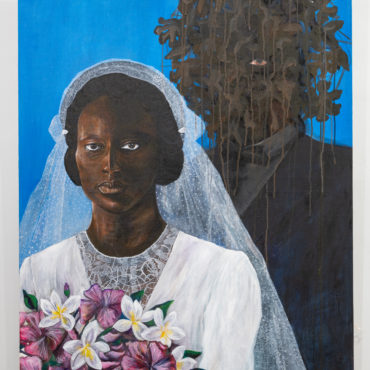
When Evan McDonald began listening closely to his grandmother’s childhood memories, he didn’t realise he was gathering the first threads of what would become his artistic identity. Her stories—staking out [...]