



The National Cultural Foundation
West Terrace,
St. James, Barbados
246-417-6610

The plantains sat under a hawker’s table, black, overripe, and destined for the rubbish.
Taymer Mason asked for them.
Back home in her kitchen, the food scientist and cookbook author began considering what they could become. Their flavour held possibilities: cookies, crackers, pasta, and other foods that would give a familiar ingredient another purpose.

Taymer Mason
“I look for opportunities to incorporate local ingredients into foods that people already know and enjoy,” she explained. “Sometimes innovation is simply looking at something familiar and asking what else it could become.”
It is a question Mason will encourage participants to explore as she facilitates two workshops for the National Independence Festival of Creative Arts (NIFCA) Culinary Arts Exhibition. Through plant-based agro-processing and the possibilities of plantain, she wants to help Barbadians connect culinary creativity with the science and business knowledge needed to develop products of their own.
Growing up in an extended family, Mason experienced food as a shared responsibility. Sunday lunch brought everyone together, but preparations often began the day before. Vegetables were readied, coleslaw prepared and the household organised around the meal to come.
Her grandmother cooked while whistling. Her father’s strengths included traditional Barbadian baked goods, while her mother prepared the everyday family meals.
Among her clearest memories is the making of traditional black pudding. She was not especially interested in eating it, but remembers the work: cleaning the intestines, preparing the filling, getting the texture right, stuffing and tying the casings, and steaming the pudding.
“Looking back, that was my first lesson in project management, although I certainly didn’t know the term then,” she recalled. “Everybody had a role in producing the finished dish.”
Yet being surrounded by cooking did not immediately make her want to do it.
While studying microbiology at the University of the West Indies, Mason took a food microbiology course covering fermentation, spoilage and microorganisms. Making sauerkraut and understanding the activity behind its transformation helped her recognise what she wanted to pursue.
Further food science studies in France widened her perspective. She was struck by the seriousness with which food was treated, the pride attached to it and the connections between cuisine, heritage, sustainability and tourism.
It prompted her to reconsider the ingredients she had grown up with.
“We had these wonderful heritage ingredients, yet many of them were being used in only a handful of traditional preparations,” she said. “I began questioning why we weren’t exploring their wider possibilities.”
Living abroad also sharpened her appreciation
of home. Homesickness also helped produce
Caribbean Vegan.
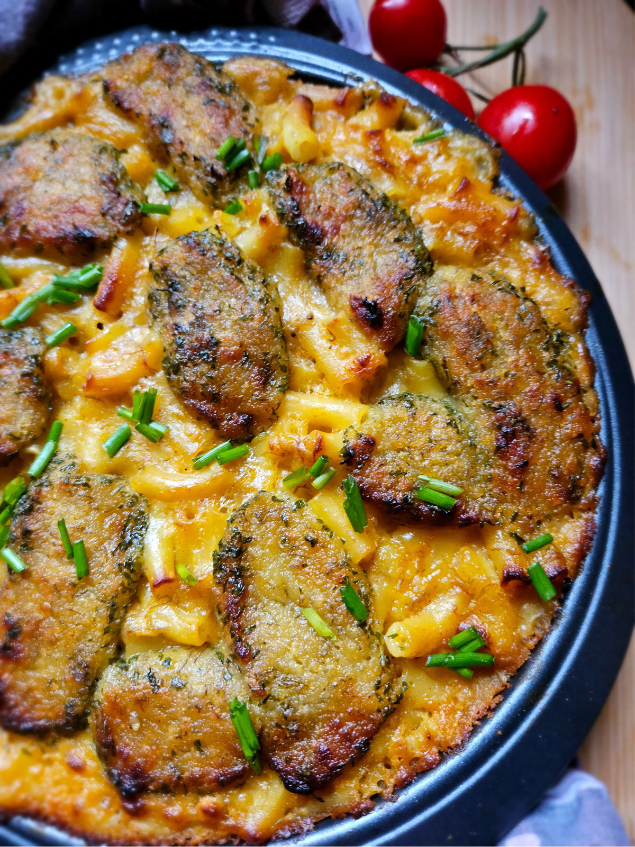
After moving to French Saint Martin, Mason missed familiar Barbadian foods and began recreating their flavours with plant-based ingredients suited to her diet at the time. The cookbook, first published in 2010 and followed by a second edition in 2016, became what she describes as “a love letter to Barbados”.
“I wanted people to realise that they could prepare Caribbean food wherever they lived,” she said.
On her return to Barbados, Mason established Harbourvale Foods, and this provides another outlet for
that thinking.
Mason says the young business reached 18 retail outlets and gift shops across Barbados and secured two export orders to the United States within its first five months.
“I could probably develop a million products using local ingredients, but that doesn’t mean every one of them should become a business,” she said. “You cannot allow your passion or creativity to overshadow commercial reality.”
That balance will inform her NIFCA workshops.
The plant-based agro-processing session will explore dairy-free cream sauces, plant-based sausages and cheeses that can be cut and sliced. Participants will be introduced to how processing affects an ingredient’s performance, alongside considerations such as texture, protein content and nutritional quality.
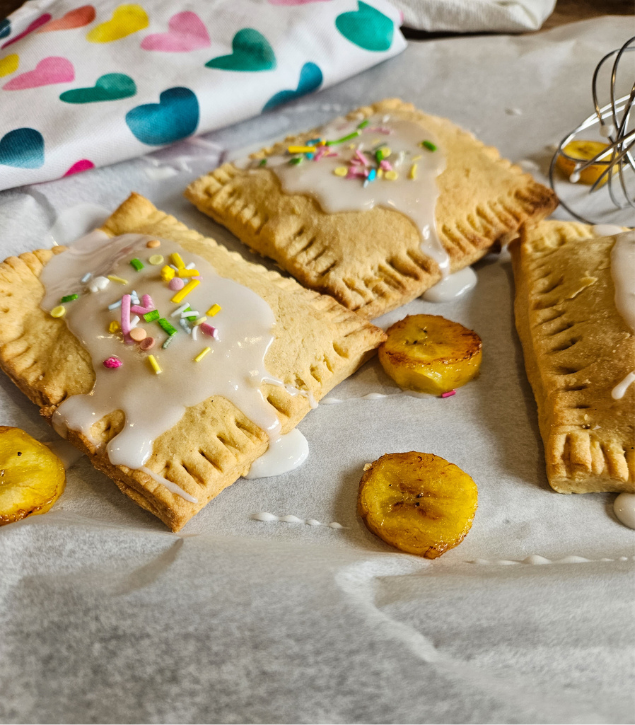
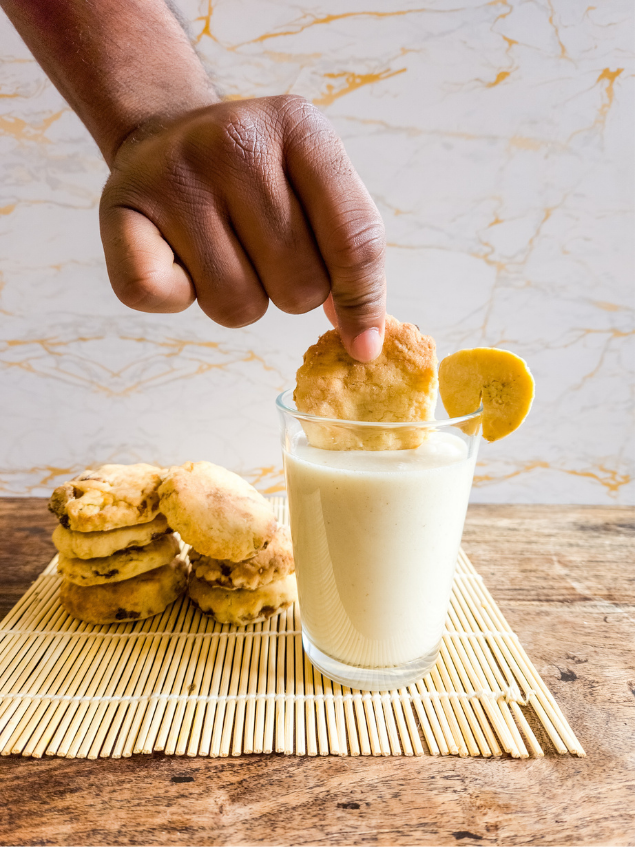
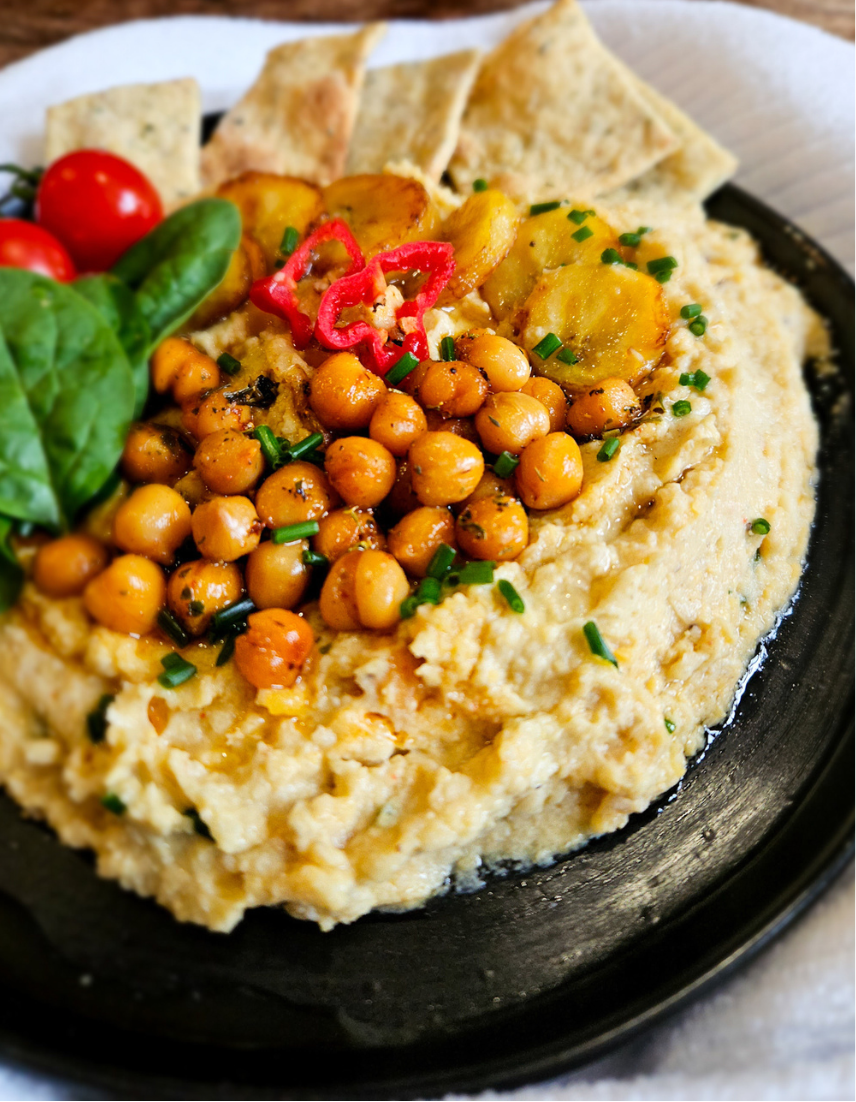
The plantain workshop will challenge its familiar place beside a meal. Planned applications include crackers, hummus, beverages and an American-style Pop-Tart incorporating plantain into both the filling and pastry.
“I want participants to see that plantain has far more possibilities than the few traditional preparations we already know,” Mason said.
Her ambition extends beyond what participants make during a workshop. She wants them to leave with the confidence to develop ideas, investigate production options and begin building businesses.
“If I can influence even ten people to think differently about food, that could lead to more Barbadian food entrepreneurs developing products that are genuinely distinctive.”
For Mason, the measure of success will be what happens afterwards: whether an experiment becomes a product, whether a participant starts taking a creation seriously, and whether more local businesses find their way into wider markets.
“I don’t want them to attend NIFCA, develop something exciting and then put it aside until the following year’s programme,” she said.
“I want them to start building their brands.”